

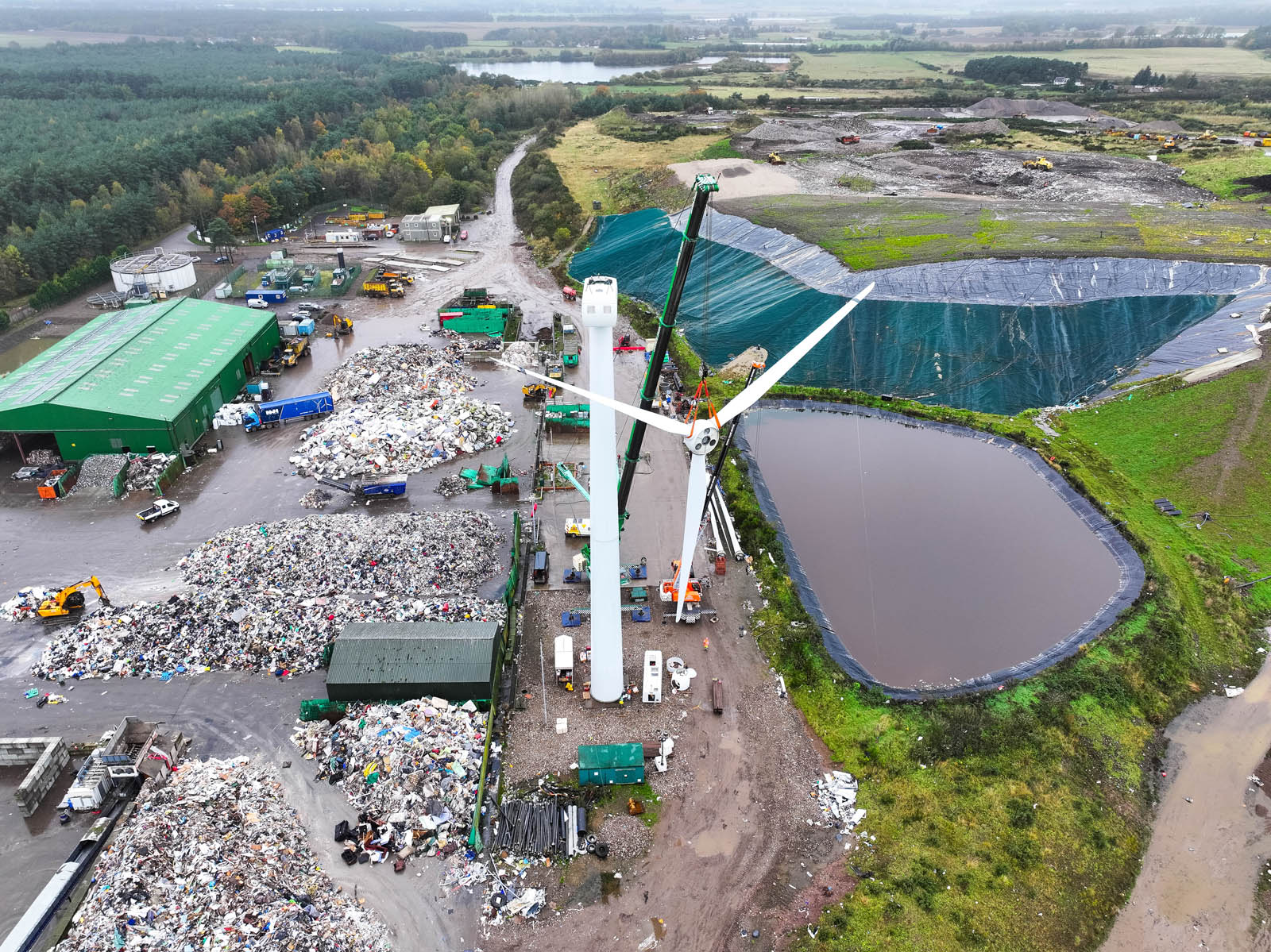
In recent years, the United Kingdom has seen remarkable progress in the growth of renewable energy generation, positioning itself as a global leader in the transition to a low-carbon economy. From the shores of Scotland to the fields of England, renewable energy sources like wind, solar, and biomass are transforming the UK’s energy landscape. In this blog post, we’ll explore the key drivers behind this growth, the milestones achieved, and what the future holds for renewable energy in the UK.
1. A Surge in Wind Power
One of the most significant contributors to the UK’s renewable energy growth is wind power. The UK boasts some of the best wind resources in Europe, and both onshore and offshore wind farms have flourished as a result. Offshore wind, in particular, has seen dramatic expansion, with the UK currently hosting several of the world’s largest offshore wind farms.
The Hornsea Project, for example, is a milestone in the UK’s renewable energy journey. Located off the Yorkshire coast, this mega-project is set to provide clean electricity to millions of homes. The success of such projects underscores the UK’s commitment to harnessing wind power as a cornerstone of its energy strategy.
2. Solar Power Shining Bright
Solar energy has also played a crucial role in the UK’s renewable energy boom. Advances in photovoltaic technology and a decrease in installation costs have made solar power more accessible and affordable for businesses and homeowners alike. While the UK may not be known for endless sunshine, solar installations have become increasingly common across the country, contributing to a more diversified renewable energy mix.
In recent years, community solar projects and large-scale solar farms have sprung up, making significant contributions to the national grid. Initiatives to encourage solar panel installations on residential and commercial buildings are also helping to drive the sector forward.
3. The Role of Biomass and Hydropower
While wind and solar power often take the spotlight, biomass and hydropower are also integral parts of the UK’s renewable energy portfolio. Biomass energy, which is generated from organic materials like wood, agricultural waste, and even certain types of rubbish, provides a reliable and sustainable source of power. The UK has invested in converting existing coal-fired power stations to biomass, significantly reducing carbon emissions.
Hydropower, though less prominent, continues to contribute to the UK’s renewable energy generation. The potential for new small-scale hydro projects in rivers and streams across the UK presents an opportunity to further diversify and stabilize the renewable energy supply.
4. Government Support and Policy Frameworks
The growth of renewable energy in the UK has been heavily supported by government policies and incentives. The introduction of the Feed-in Tariff (FIT) scheme, Contracts for Difference (CfD), and the Renewable Heat Incentive (RHI) have all played crucial roles in encouraging investment in renewable technologies.
The UK government’s commitment to achieving net-zero carbon emissions by 2050 has provided a clear and ambitious target, driving further investment and innovation in the renewable energy sector. Recent announcements, such as plans to ban new petrol and diesel cars by 2030, are also creating demand for clean electricity to power the nation’s future fleet of electric vehicles.
5. Milestones and Achievements
The UK has reached several notable milestones in its renewable energy journey. In 2020, for the first time in history, renewable energy sources generated more electricity than fossil fuels across the UK. This landmark achievement was a clear signal of the country’s progress towards a cleaner, greener energy future.
The increasing share of renewables in the energy mix has also led to periods where the UK’s electricity grid has operated without coal for days, weeks, and even months at a time. These milestones highlight the declining reliance on fossil fuels and the growing role of renewables in meeting the UK’s energy needs.
6. Challenges and Opportunities Ahead
Despite the impressive growth, challenges remain on the path to a fully renewable energy system. Integrating variable renewable energy sources like wind and solar into the national grid requires advancements in energy storage, grid infrastructure, and smart technologies. Additionally, ongoing investment is needed to continue scaling up renewable energy capacity to meet future demand.
However, these challenges also present opportunities. The UK is a hub for innovation in renewable energy, with companies and research institutions developing new technologies to overcome these hurdles. The potential for green hydrogen, energy storage solutions, and advanced grid management systems offers exciting prospects for the future of renewable energy in the UK.
7. The Future of Renewable Energy in the UK
Looking ahead, the future of renewable energy in the UK is bright. With continued investment, innovation, and strong policy support, the UK is well on its way to achieving its renewable energy targets. The growth of renewables not only reduces carbon emissions but also enhances energy security, creates jobs, and drives economic growth.
As the UK continues to lead the way in renewable energy, it sets an example for other nations striving to combat climate change and transition to a sustainable energy future. The journey is far from over, but the progress made so far is a testament to what can be achieved with determination and vision.
Conclusion
The growth of renewable energy generation across the UK is a remarkable success story that highlights the country’s commitment to a sustainable future. From the expansion of wind and solar power to the development of biomass and hydropower, the UK is harnessing the power of nature to fuel its economy and reduce its environmental footprint. As we move forward, the continued growth of renewables will be key to achieving a cleaner, greener, and more prosperous future for all.
