

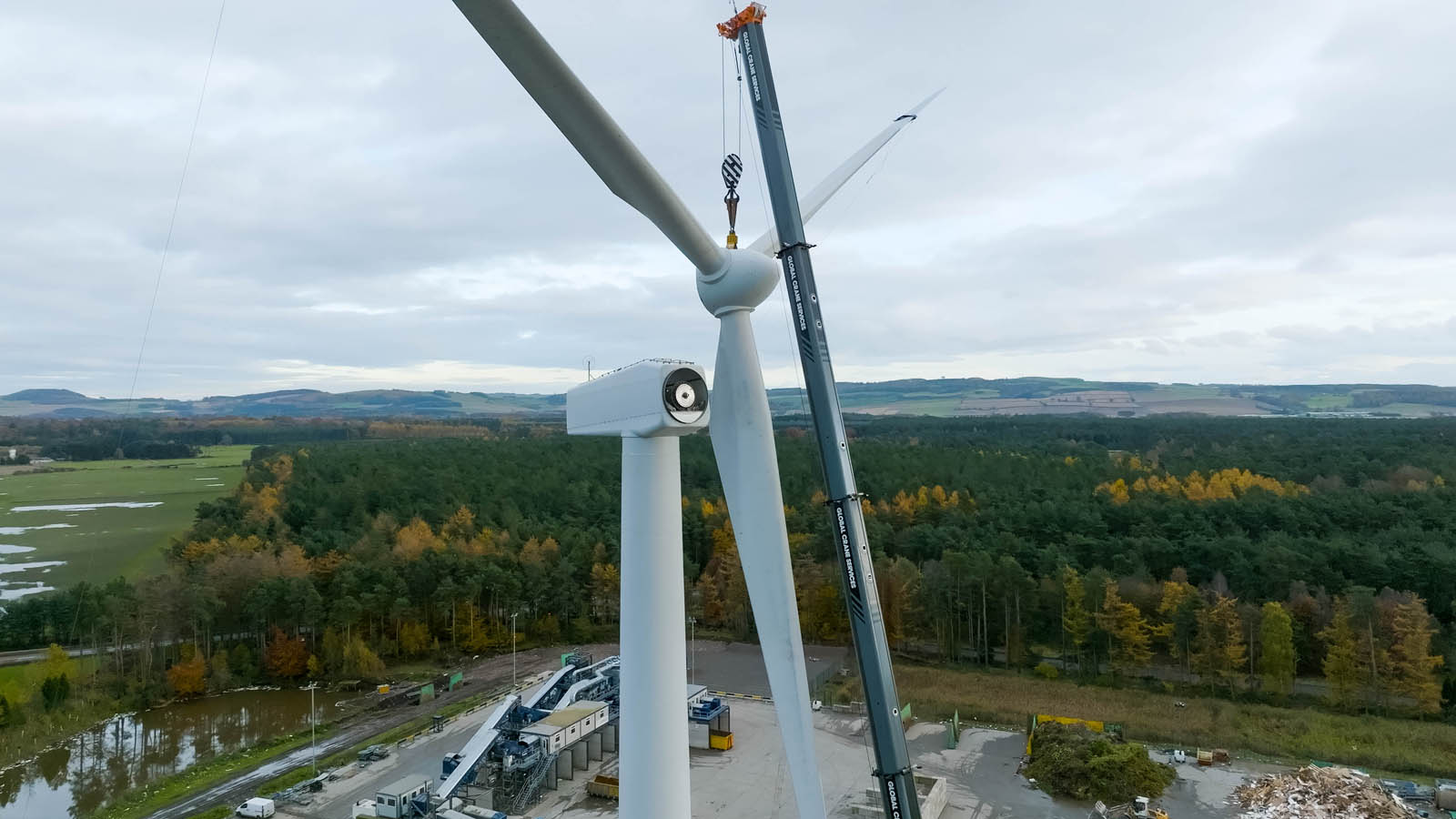
As the world shifts towards cleaner and more sustainable energy sources, wind power is rapidly emerging as one of the most promising solutions. In the UK and beyond, wind energy is playing a crucial role in reducing carbon emissions, enhancing energy security, and driving economic growth. In this blog post, we’ll explore the key benefits of wind power and why it’s becoming an increasingly important part of the global energy landscape.
1. Clean and Renewable Energy Source
Wind power is one of the cleanest energy sources available today. Unlike fossil fuels, wind energy doesn’t produce harmful greenhouse gases or pollutants. This means that every kilowatt-hour of electricity generated by wind turbines reduces the need for power from coal, oil, or natural gas plants, helping to mitigate the effects of climate change.
Moreover, wind is a renewable resource, which means it won’t run out. As long as the wind blows, we can harness its power to generate electricity, making it a sustainable solution for the long term.
2. Cost-Effective Energy Production
Over the past decade, the cost of wind power has fallen significantly, making it one of the most cost-effective sources of electricity. Advances in turbine technology, improved manufacturing processes, and economies of scale have all contributed to reducing the cost of wind energy. In many regions, wind power is now cheaper than traditional fossil fuel-based electricity, providing a compelling economic case for its continued expansion.
Additionally, wind energy has low operating costs once turbines are installed. There are no fuel costs, and maintenance expenses are relatively low, leading to stable and predictable energy prices for consumers and businesses alike.
3. Energy Independence and Security
Wind power contributes to energy independence by reducing reliance on imported fossil fuels. For countries like the UK, which have abundant wind resources, investing in wind energy can help ensure a more secure and self-sufficient energy supply. This reduces vulnerability to global energy price fluctuations and geopolitical tensions that can impact fossil fuel availability.
Furthermore, wind farms can be developed in a variety of locations, including onshore and offshore sites, making it possible to diversify the energy mix and enhance grid resilience.
4. Job Creation and Economic Growth
The wind energy sector is a significant driver of job creation and economic growth. From manufacturing and installation to maintenance and operation, the wind industry supports a wide range of employment opportunities. In the UK alone, the wind sector employs thousands of people and contributes billions to the economy.
As the demand for renewable energy continues to rise, investment in wind power infrastructure will create even more jobs and stimulate local economies, particularly in rural and coastal areas where many wind farms are located.
5. Minimal Environmental Impact
Wind power has a relatively low environmental impact compared to other forms of energy generation. While wind turbines do require land, they have a small footprint, allowing for dual land use. For example, agricultural activities like farming and grazing can continue alongside wind farm operations.
Offshore wind farms, which are becoming increasingly common, have even less impact on land use and can be situated in areas where they have minimal effects on marine life and ecosystems.
6. Scalability and Innovation
Wind power is highly scalable, meaning it can be deployed in projects of various sizes, from small, community-based installations to large-scale wind farms that power entire regions. This flexibility makes it an attractive option for a wide range of applications, from rural electrification to urban energy supply.
Innovation is also driving the wind industry forward, with advancements in turbine design, energy storage, and grid integration. These innovations are making wind power more efficient and reliable, further enhancing its role in the global energy transition.
7. Supporting a Sustainable Future
As the world grapples with the challenges of climate change, transitioning to renewable energy sources like wind power is essential for building a sustainable future. Wind energy not only reduces carbon emissions but also supports the broader goal of decarbonizing the global economy. By investing in wind power, we can create a cleaner, healthier planet for future generations.
Conclusion
Wind power offers a multitude of benefits, from providing clean, renewable energy to driving economic growth and enhancing energy security. As technology continues to advance and costs decline, wind energy will play an increasingly important role in the global energy mix. By embracing wind power, we can take a significant step toward a more sustainable and resilient energy future.
